Why Traditional Flags Release Microplastics
back to list of blog

The Myth of the Recycled Flag:
Why 'Green' Polyester is Still Grey

03 Nov 2025
5 min read

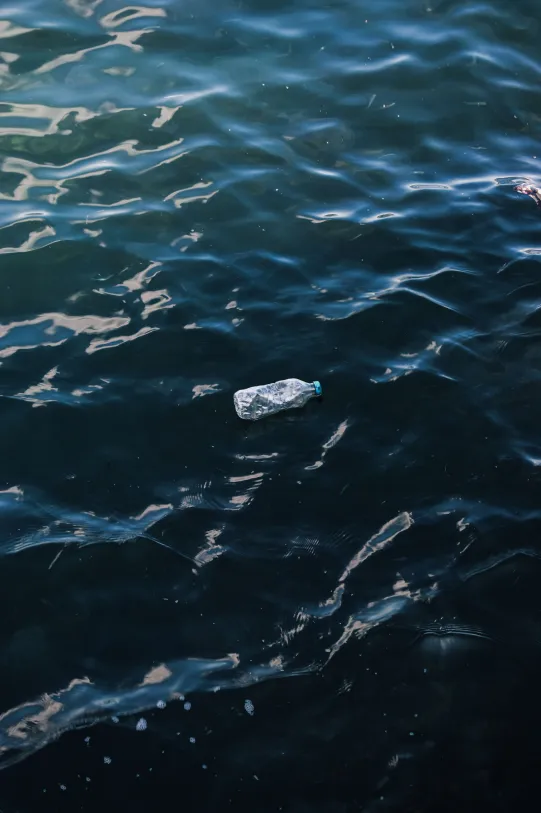
Microplastics don’t only come from packaging or clothing. Traditional polyester flags continuously shed plastic fibres as they move in the wind — often losing a significant portion of their material over time.

Better Flags was founded to eliminate this overlooked source of pollution. By redesigning the fabric itself, the flags reduce long-term environmental harm while maintaining the same performance as conventional flags.

The solution isn’t using fewer flags — it’s using better materials that don’t pollute long after the flag is gone

See full article here: https://www.trouw.nl/duurzaamheid-economie/wapperende-vlaggen-stoten-microplastics-uit-dus-verkoopt-deze-26-jarige-utrechter-een-duurzamer-alternatief~b505e14d/

Better Flags | CiCLO Flags | Antigua and Barbuda flag waving on a flagpole against a clear blue sky.

In a Rush? Ready-to-Buy Flags Available

Adipiscing odio arcu auctor sed ut tortor nisi vulputate malesuada. Mi arcu ut mauris nec gravida. Ac varius parturient id lorem nascetur feugiat in mauris purus. Turpis sit nisl nisl phasellus. Mauris pharetra amet eget sagittis bibendum placerat eu velit duis. Eget.

Built to Last

From weaving in Germany to assembly in Austria and the Netherlands, every stage of Better Flags’ production is transparent and documented.

Sustainable and Traceable

All Better Flags are made from polyester enhanced with CiCLO®,  sourced responsibly and exclusively from European suppliers.

Planet Friendly

Designed for a lifetime of use, Better Flags biodegrade naturally within approximately three years once discarded.

Awarded & Certified

Better Flags materials meet global standards for environmental responsibility, and carry OEKO-TEX® ECO PASSPORT certification.